Review: Christmas Tree Card Printable Embroidery Design
As a designer who spends half my life staring at stitch charts and the other half trying to convince clients that embroidery isn’t just for monograms anymore, I am always looking for designs that balance charm with technical feasibility. Today, I am evaluating the Christmas Tree Card Printable. At first glance, it looks like a simple, festive illustration, but in the world of machine embroidery, "simple" can be a trap if the details aren't engineered correctly. I’ve been testing this design with various fabrics and hoop sizes to see if it holds up as a viable asset for your craft business or personal holiday projects.
First Impressions and Visual Personality
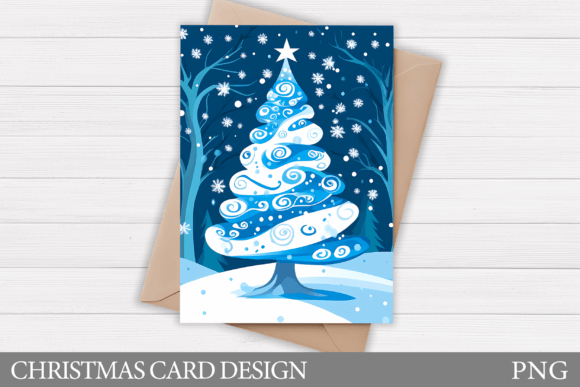
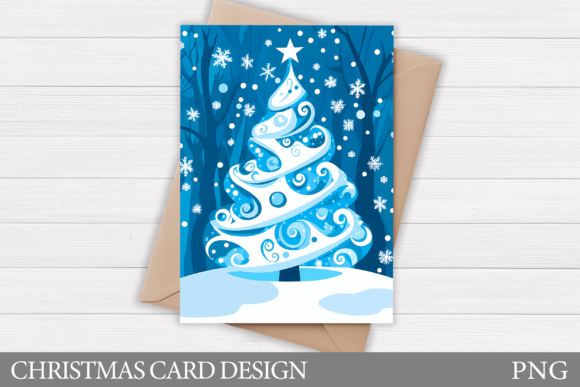
The immediate appeal of the Christmas Tree Card Printable lies in its nostalgic warmth. It captures the essence of holiday greeting cards without feeling cluttered. The mood is cozy, traditional, and inviting. For an embroiderer, the visual personality suggests a design that relies on clean lines and distinct shapes rather than complex shading. This is crucial because it dictates how the design will translate from screen to fabric. The layout feels balanced, making it naturally suited for center placements on garments or focal points on home decor items. It doesn’t scream for attention; instead, it offers a quiet confidence that works well for boutique branding where subtlety often sells better than noise.
Real-World Application: From Screen to Stitch
I put the Christmas Tree Card Printable through its paces by imagining it on actual products. The most obvious application is custom apparel. Picture a heavy-weight cotton sweatshirt in cream or forest green. Placing this design on the chest creates an instant favorite for anyone looking for comfortable, festive wear. The clean vector-like nature of the original illustration translates beautifully into a machine embroidery design, allowing for crisp edges that look professional even on curved surfaces like caps or hats.
However, the true value of this design shines in the realm of handmade products and personalized gifts. I envision this being used on kitchen towels or tea towels for holiday hostess gifts. The vertical orientation of a card fits perfectly within standard towel widths. When stitched onto a textured fabric like linen or a waffle weave, the contrast between the smooth satin stitches and the rough fabric texture adds a tactile dimension that customers love. It elevates a basic $5 towel into a $20 boutique item simply by adding that layer of craftsmanship.
For Etsy sellers and small shop owners, this design is versatile enough to work across multiple categories. It fits seamlessly into baby embroidery collections when scaled down for burp cloths or muslin blankets. The soft, rounded aesthetic of the tree and card elements is gentle enough for nursery decor but sturdy enough for adult-oriented items like aprons or tote bag designs. It bridges the gap between childlike wonder and sophisticated holiday chic, which is a sweet spot for many buyers.
Technical Performance and Stitch Clarity
When analyzing the embroidery file structure, the clarity of the design is its strongest suit. The use of fill stitch for the main body of the tree provides a solid, opaque coverage that hides the base fabric effectively. This is vital for maintaining color integrity, especially if you are using lower-cost threads that might not have high sheen. The running stitch accents, likely used for outlines or fine details like baubles or text on the card, add definition without creating bulk. This balance prevents the finished product from becoming stiff or uncomfortable to wear.
The design also handles negative space well. In embroidery, what you don’t stitch is just as important as what you do. The Christmas Tree Card Printable leaves enough breathing room around the central motif, preventing the "stitch-out" effect where too much density makes the fabric pucker. This makes it an excellent choice for commercial embroidery projects where consistency across hundreds of units is required. If one piece puckers, the whole batch looks unprofessional. This design’s efficient stitch count helps mitigate that risk.
Where to Exercise Caution
No design is perfect for every scenario, and the Christmas Tree Card Printable has specific limitations you need to respect. First, avoid attempting this on highly textured or stretchy fabrics unless you are experienced with proper stabilizer techniques. A loose knit jersey or a heavy boucle wool might distort the delicate lines of the card. Similarly, thin fabrics like silk or lightweight rayon require a cut-away stabilizer to prevent the dense areas of the tree from pulling the fabric out of shape.
Small hoop sizes present another challenge. While the design is scalable, shrinking it too much can cause tiny details—such as the text on the card or small decorative elements—to merge into indistinguishable blobs. If you are working with a 4x4 inch hoop or smaller, inspect the digitization closely. You may need to simplify the design or remove minor accents to ensure legibility. Additionally, be cautious with dark fabrics. If the thread colors chosen for the tree lack sufficient contrast against a black or navy background, the design will disappear. Always test your thread colors on scrap fabric before committing to the final product.
Impact on Brand and Customer Trust
In the digital age, presentation matters. Using a high-quality digital embroidery file like the Christmas Tree Card Printable enhances your brand’s perceived value. Customers can often tell the difference between a mass-produced print and a carefully stitched embroidered piece. The slight texture and depth of thread create a sense of authenticity and care that resonates with buyers. When you offer a personalized gift with such a well-executed design, you are selling more than just a product; you are selling the idea of a thoughtful, handmade gesture.
This design also supports brand consistency. Its classic style allows it to fit into a broader collection of holiday assets. Whether you are creating a matching set of socks, ornaments, or wall art, the cohesive visual language helps tie your shop together. For craft fair vendors, having a recognizable, charming design like this can draw people in and encourage impulse buys, as it appeals to a wide demographic.
Practical Designer Notes for Success
- Test on Scrap: Never trust a simulation completely. Stitch the machine embroidery design on a piece of the actual fabric you plan to use. Check for puckering, thread breaks, or color bleeding.
- Check Stabilizer: Use a stabilizer appropriate for your fabric weight. A tear-away might suffice for stable cottons, but woven or cut-away is safer for knits and delicate materials.
- Black and White Mockup: View your design in grayscale to ensure the contrast levels are sufficient. Sometimes colors that look good on screen blend together when stitched.
- Inspect Details: Zoom in on the digital preview. Are the corners sharp? Is the text readable? If the original illustrations rely on gradients, ensure they are converted to solid fills or appropriate shading stitches for embroidery.
- Licensing: Before listing any small shop product on platforms like Etsy, verify the commercial usage rights. Some printable designs are for personal use only.
Ultimately, the Christmas Tree Card Printable is a strong candidate for your holiday collection. It offers a blend of aesthetic appeal and technical reliability that serves both hobbyists and professionals well. By understanding its strengths and respecting its limitations, you can create finished products that delight customers and stand the test of time. Just remember to check the specific stitch density and hoop size requirements provided by the creator to ensure a flawless stitch-out every time.