Christmas Cards with Cute Penguins: A Review of Seasonal Illustrations for Digital Publishing
As a digital publisher and blog designer who has spent years optimizing content for both search engines and human readers, I approach every new graphic design asset with a mix of creative enthusiasm and technical scrutiny. Visuals are not merely decoration; they are the first handshake between your brand and your audience. When I encountered Christmas Cards with Cute Penguins, a collection falling under the broad umbrella of Illustrations, my immediate question was practical: does this asset support serious content marketing goals, or is it purely decorative? After integrating these assets into a real-world editorial workflow—ranging from newsletter headers to Pinterest pins—I found that this set offers a unique blend of whimsy and polish that can significantly elevate seasonal content.
The Editorial Mood and First Impressions
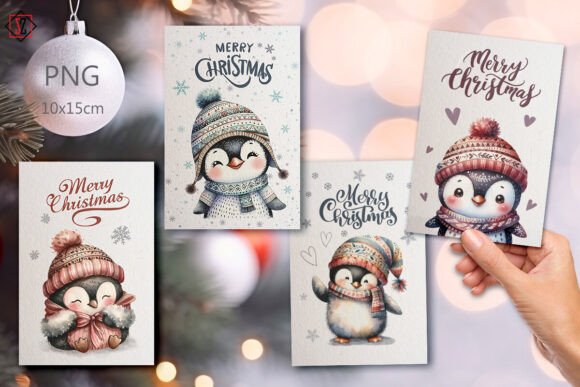
The moment you open the files, the mood is immediately established as playful yet refined. Unlike many holiday graphics that lean heavily into chaotic clutter or overly traditional, stiff aesthetics, Christmas Cards with Cute Penguins strikes a balance that feels modern and approachable. The penguins are rendered with a softness that invites engagement without sacrificing clarity. This visual tone suggests a lifestyle-focused, warm, and slightly feminine editorial voice, though its versatility allows it to fit within educational or small business branding contexts as well.
For content creators, this distinction is vital. Reader trust is built on consistency and perceived professionalism. If your website’s visual language shifts too drastically between posts, users may feel disoriented. These illustrations provide a cohesive visual identity that signals "seasonal cheer" without overwhelming the core message. They create an atmosphere of comfort and joy, which is particularly effective for niches such as parenting, lifestyle blogging, gift guides, and cozy home decor. By using these assets, you signal to your audience that your content is curated with care, enhancing the overall perception of your brand’s quality.
Integrating Assets into Real Publishing Workflows
In my daily workflow, I rarely use a single graphic in isolation. Instead, I build a ecosystem of visuals that work together across platforms. Here is how Christmas Cards with Cute Penguins performed when applied to various blog graphics and digital touchpoints:
- Pinterest Pins and Social Media Graphics: The vertical composition options in this set are ideal for Pinterest. The cute penguin motifs stand out against typical red-and-green backgrounds, offering a fresh alternative that can increase click-through potential. Because the design elements are distinct, they remain recognizable even at smaller sizes, which is crucial for social media previews where attention spans are short.
- Newsletter Headers and Email Marketing: In an era where open rates are competitive, the header image is prime real estate. Using these illustrations creates a welcoming entry point for your subscribers. They soften the commercial aspect of affiliate marketing or promotional emails, making the content feel more like a personal note than a sales pitch.
- Digital Guides and Lead Magnets: When creating downloadable resources, such as a "Holiday Hosting Checklist" or a "Winter Recipe eBook," cover design matters. These illustrations serve as excellent base layers for digital products. They add character to printable design projects, making freebies feel premium and worth downloading.
- Website Banners and Hero Images: For a temporary site-wide holiday makeover, these assets can be tiled or placed strategically behind headline text. They provide a strong visual anchor that communicates the season instantly, supporting better category recognition for time-sensitive content.
Enhancing Content Performance Through Visual Hierarchy
One of the most critical aspects of web design is visual hierarchy—guiding the reader’s eye to the most important information. Good editorial design ensures that text remains readable while images provide context. Christmas Cards with Cute Penguins supports this goal effectively because the illustrations are often framed with ample negative space. This allows designers to overlay headlines in bold sans-serif fonts or elegant serif typefaces without competing with the artwork.
By maintaining a consistent style across your design assets, you strengthen your brand identity. When a visitor sees the same penguin motif on your blog post, your Instagram story, and your email footer, it reinforces brand recall. This consistency builds authority and makes your content appear more professional. Furthermore, high-quality creative design reduces bounce rates; visitors are more likely to stay on a page that looks polished and intentionally designed rather than one that appears hastily assembled.
Strategic Placement and Where to Exercise Caution
While these illustrations are versatile, they are not a universal solution. Understanding where they thrive—and where they might falter—is key to successful implementation.
Where They Work Best:
- Article thumbnails for lifestyle and holiday-themed posts.
- Editorial accents within long-form articles to break up text.
- Category visuals for sections dedicated to gifts, crafts, or family activities.
- Social media previews where emotional connection drives clicks.
Where to Use Carefully:
- Small Mobile Thumbnails: On very small screens, intricate details in the penguin illustrations may blur. Always test how the image scales down.
- Text-Heavy Blog Images: Avoid placing dense paragraphs of text directly over busy areas of the illustration. Ensure sufficient contrast so readability is not compromised.
- Corporate or Serious Niches: If you run a B2B finance blog or a legal advice site, this playful aesthetic may undermine your authority. It is better suited for consumer-facing, lifestyle, or creative industries.
- Low-Contrast Backgrounds: Light-colored illustrations may disappear on white backgrounds. Use them on colored or textured backdrops to ensure visibility.
Practical Publisher Notes for Implementation
To get the most out of this commercial design asset, I recommend following a rigorous testing protocol before publishing. First, preview the graphics inside a real blog layout. How does it look next to your existing typography? Try placing the penguin illustrations beside serif fonts for a classic look, or sans-serif fonts for a modern vibe. You might also experiment with script or handwritten fonts for a more personal, craft-oriented feel.
Technical performance is equally important. Check the file size of each image to ensure it does not slow down your website. Compress images properly using tools like TinyPNG or ImageOptim to maintain quality while improving load times. Slow websites hurt SEO rankings and frustrate users, so never sacrifice speed for aesthetics.
Additionally, always confirm your commercial license before using these assets on monetized websites, affiliate pages, or paid content products. Even if the asset is affordable, understanding the usage rights protects your business from legal issues. Whether you are using these in a Canva template for clients or as part of your own content marketing strategy, ensuring compliance is non-negotiable.
Final Verdict for Digital Creators
Christmas Cards with Cute Penguins is more than just a festive clipart pack; it is a strategic tool for enhancing the visual appeal of seasonal content. Its clean lines, charming characters, and flexible application make it suitable for a wide range of web design and affiliate marketing needs. By incorporating these illustrations into your workflow, you can create a more engaging, trustworthy, and visually coherent online presence. For bloggers, publishers, and entrepreneurs looking to add a touch of holiday magic without compromising on professional standards, this set of Illustrations is a valuable addition to your creative marketplace toolkit.